Column · @myzanzibarbeachsafarimarket
Combining a Tanzania Beach Holiday with a Wildlife Safari from Zanzibar
Planning a trip to Tanzania often means choosing between the white sands of the coast and the vast plains of the interior. Many travellers assume they have to pick one or the other, but a growing number of itineraries now blend both experiences into a single holiday. The idea is straightforward: spend part of your time relaxing on the beach and the other part exploring some of the best wildlife habitats in Africa. For someone based in Zanzibar, the logistics of combining these two very different environments are easier than most people expect.
Zanzibar itself offers a classic tropical beach setting. The island is known for its turquoise water, coral reefs, and historic Stone Town. Yet it also sits relatively close to the mainland, which opens up access to Tanzania’s famous national parks. The key is to organise the trip so that the transfer from sand to safari is smooth and does not eat into too much of your holiday time. A well-planned combined tour can give you both a relaxed start and an adventurous finish, or the other way around, depending on what suits your schedule.
How to structure a beach and safari trip from Zanzibar
The most common approach is to begin with a few days on Zanzibar beach. This allows you to arrive, adjust to the time zone, and unwind before the more active part of the holiday. After the beach portion, you take a short flight from Zanzibar to one of the mainland airstrips that serve the northern safari circuit. The phrase Zanzibar beach and safari describes exactly this kind of itinerary: a stay on the island followed by a wildlife adventure in a park like Serengeti National Park. The flight itself is brief, usually under an hour, and it avoids a long drive that would otherwise take the better part of a day.
An alternative structure is to do the safari first and then finish on the beach. This works well if you want to end the trip with rest and recovery after early mornings and bumpy game drives. Both sequences are practical, but the choice often depends on flight schedules and personal preference. Some visitors prefer to get the safari out of the way while they are still full of energy, while others like to build up to the main attraction. Either way, the total travel time between the two parts is minimal, which is the main advantage of basing yourself in Zanzibar.
What a fly-in safari from Zanzibar involves
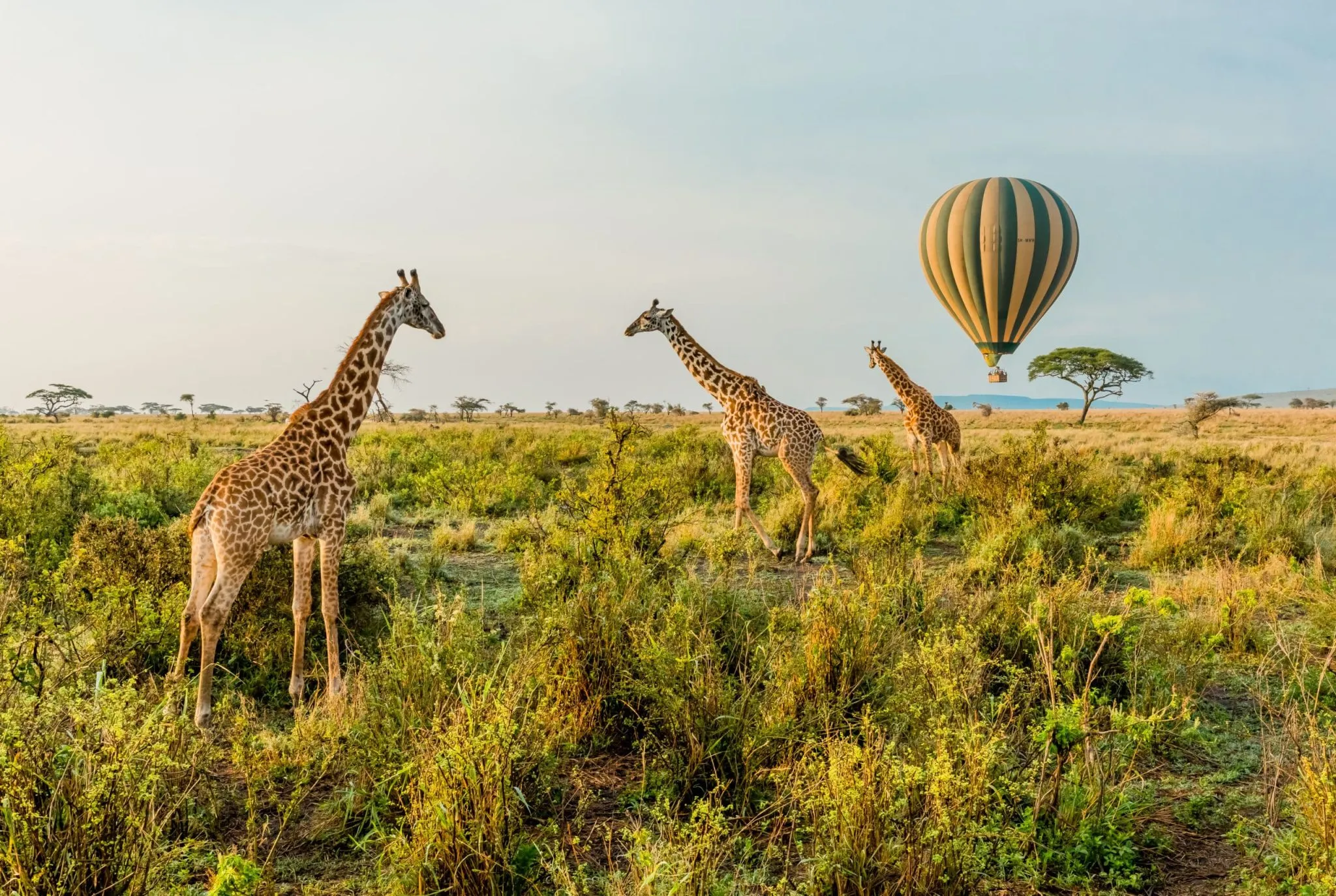
A fly-in safari is exactly what it sounds like: you fly from the island directly into a safari region rather than driving from the coast. This is a significant time-saver. Driving from Zanzibar to Serengeti National Park would require a ferry crossing and then a full day on the road. Flying cuts that to a short hop. Most fly-in safaris land at airstrips near the park boundaries, and from there a guide meets you and drives you to the lodge or camp where you will stay.
The practical side of a fly-in safari is straightforward. You pack a small bag for the mainland, leave the rest of your luggage at the beach hotel if you are returning, and board a scheduled or charter flight. The aircraft are typically small turboprops that operate daily during peak season. Once you land, the safari routine takes over: morning and afternoon game drives, meals at the camp, and nights spent in the bush. After two or three days, you fly back to Zanzibar and pick up where you left off on the beach. This arrangement works well for travellers who do not want to spend days on the road.
What to expect on the safari portion
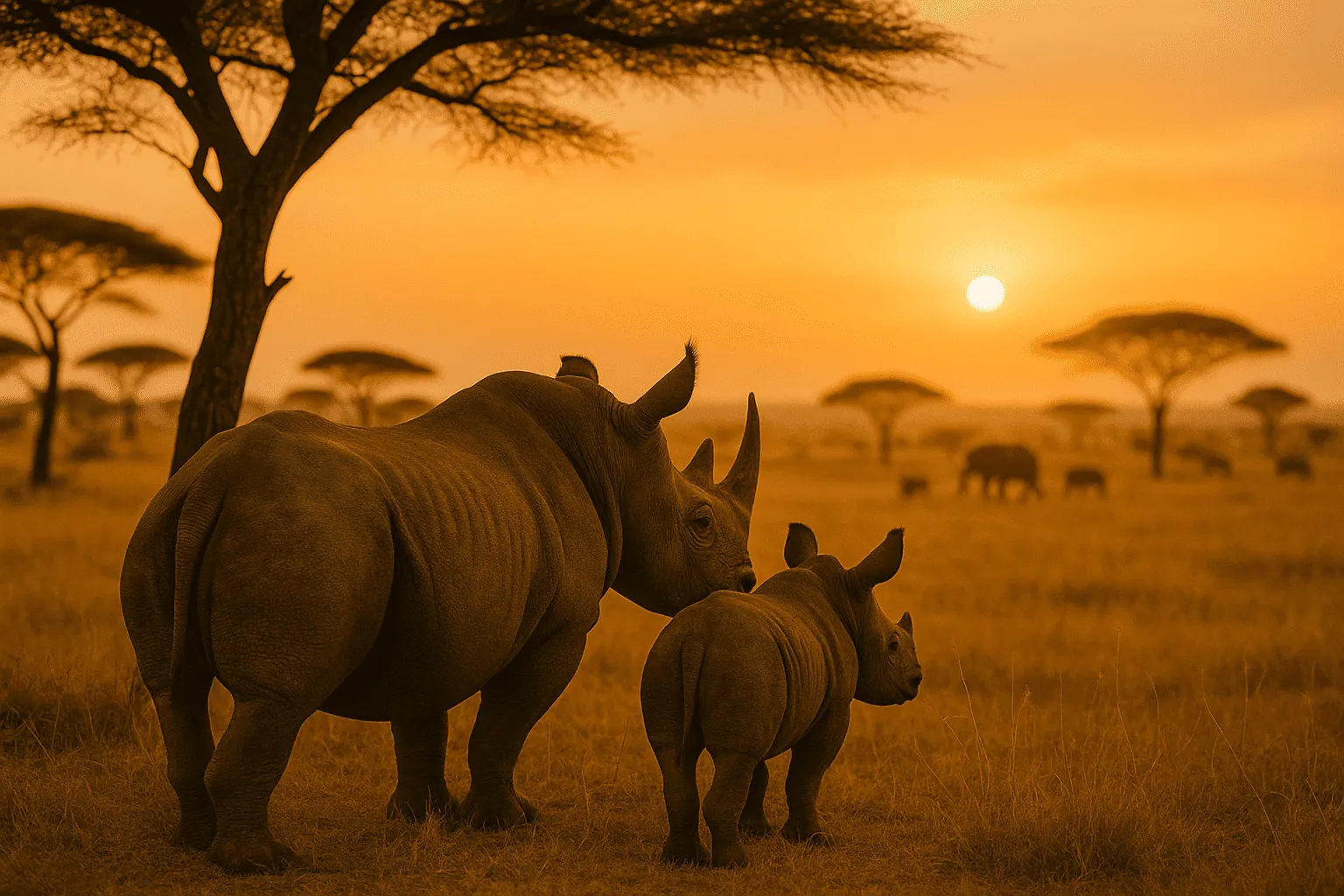
Serengeti National Park is the centrepiece of most wildlife safaris from Zanzibar. The park is vast, covering nearly 15,000 square kilometres of savannah, woodland, and riverine forest. Wildlife is abundant year-round, though the distribution of animals shifts with the seasons. The Great Migration, which involves millions of wildebeest and zebra moving through the park, is a major draw, but even outside the migration months the resident predators and herbivores make for excellent viewing.
Game drives are conducted in open-sided vehicles with a guide and a spotter. The guides know the park well and communicate with each other to locate sightings. Early morning drives start before sunrise, when the animals are most active, and afternoon drives go until dusk. Between drives, you return to the camp or lodge for meals and rest. Most camps offer comfortable tents or permanent rooms with en-suite bathrooms, so the experience feels more like a wilderness lodge than rough camping.
Choosing the right type of safari for your beach holiday
Not every safari is the same, and the style you pick can affect how well it fits with a beach holiday. A tailor-made safari is one that is arranged specifically around your preferences, rather than a fixed group itinerary. This is useful when you have limited time and want to focus on certain animals or areas. For example, you might request a shorter safari that concentrates on the central Serengeti, where the big cats are often seen, rather than trying to cover the entire park.
Another option is a shared safari, where you join a small group of other travellers. This is usually less expensive but follows a set schedule. For someone coming from a beach holiday, a private or tailor-made safari offers more flexibility. You can decide when to fly, how many game drives to do each day, and when to return to Zanzibar. That control helps you match the safari pace to the relaxed rhythm of the beach stay.
Practical tips for making the combination work
Packing for both a beach and a safari requires some thought. The beach calls for light clothing, swimwear, sandals, and sun protection. The safari needs neutral-coloured long trousers and shirts, closed walking shoes, a warm layer for early mornings, and binoculars. A good strategy is to pack a single small duffel for the safari and leave the rest at the beach hotel. Most hotels in Zanzibar offer luggage storage or you can leave your main bag in the room while you are away.
The timing of the flights matters. Morning flights from Zanzibar to the mainland are common and give you a full afternoon for a game drive after arrival. Return flights are often in the late afternoon, which allows for a morning drive before heading to the airstrip. Check the flight schedules when booking to avoid long waits at either end. The phrase Zanzibar beach and safari works best when the transitions are seamless, so a little planning goes a long way.
What to look for in a combined tour operator
- They should handle the internal flights and transfers between the island and the park. This saves you from arranging separate tickets and taxis.
- The itinerary should clearly state the number of nights on the beach and in the park, along with the type of accommodation at each location.
- Ask whether the safari guide is a trained naturalist or a driver-guide. A knowledgeable guide makes a big difference to the quality of the experience.
- Check if meals and drinks are included during the safari portion, as some camps charge separately for drinks.
- Look for a policy on solo travellers if you are travelling alone. Some operators charge a single supplement, while others offer shared departures.
Who is this kind of trip for
A combined beach and safari holiday suits a range of travellers. Couples often like the mix of romance on the beach and excitement in the bush. Families with older children find that the safari captures their attention, while the beach offers downtime for everyone. Solo travellers who enjoy both scenery and wildlife also benefit, especially since a tailor-made safari can be arranged around a single person without forcing you into a large group.
The main trade-off is time. If you have only five or six days in total, splitting it between the beach and the safari might feel rushed. A week to ten days is a more comfortable length. That gives you three or four nights on Zanzibar beach and two or three nights on safari, with a buffer day for travel between them. Any less than that and you risk spending too much time in transit.
What to keep in mind before booking
Flights from Zanzibar to the safari airstrips are not as frequent as major airline routes. They operate on a seasonal schedule, so you need to book the safari component first and then work the beach stay around those dates. It is also worth checking whether the flight includes a stop on the mainland or is direct. Direct flights are faster and more convenient.
Accommodation on Zanzibar varies widely, from simple beach bungalows to luxury resorts. If you plan to leave your luggage at the hotel while on safari, choose a hotel with a safe or a secure room. On the safari side, lodges range from basic tented camps to high-end lodges with private plunge pools. Matching the comfort level between the two parts is a matter of personal taste, but it helps to keep them roughly similar so that one half of the trip does not feel like a downgrade.
Finally, remember that the beach and the safari are two very different climates. Zanzibar is hot and humid, while the Serengeti can be hot and dry during the day but cool at night. Bring a light jacket or fleece for the morning game drives. Hydration is important in both places, but the dry air of the savannah can catch you off guard if you are used to the coastal humidity.
A holiday that includes both a beach and a safari offers variety without the stress of long overland travel. The combination works because the two parts are distinct enough to feel like separate trips, yet close enough logistically to fit into a single holiday. For anyone who has dreamed of seeing lions on the plains and then floating in the Indian Ocean the same week, the logistics are simpler than they might think.